The Method Behind FirstRing - Crisis Communication 3.0
The ethical approach to crisis communication, used by over 1,000 organizations in government, healthcare, critical infrastructure, and other organizations with a public responsibility.
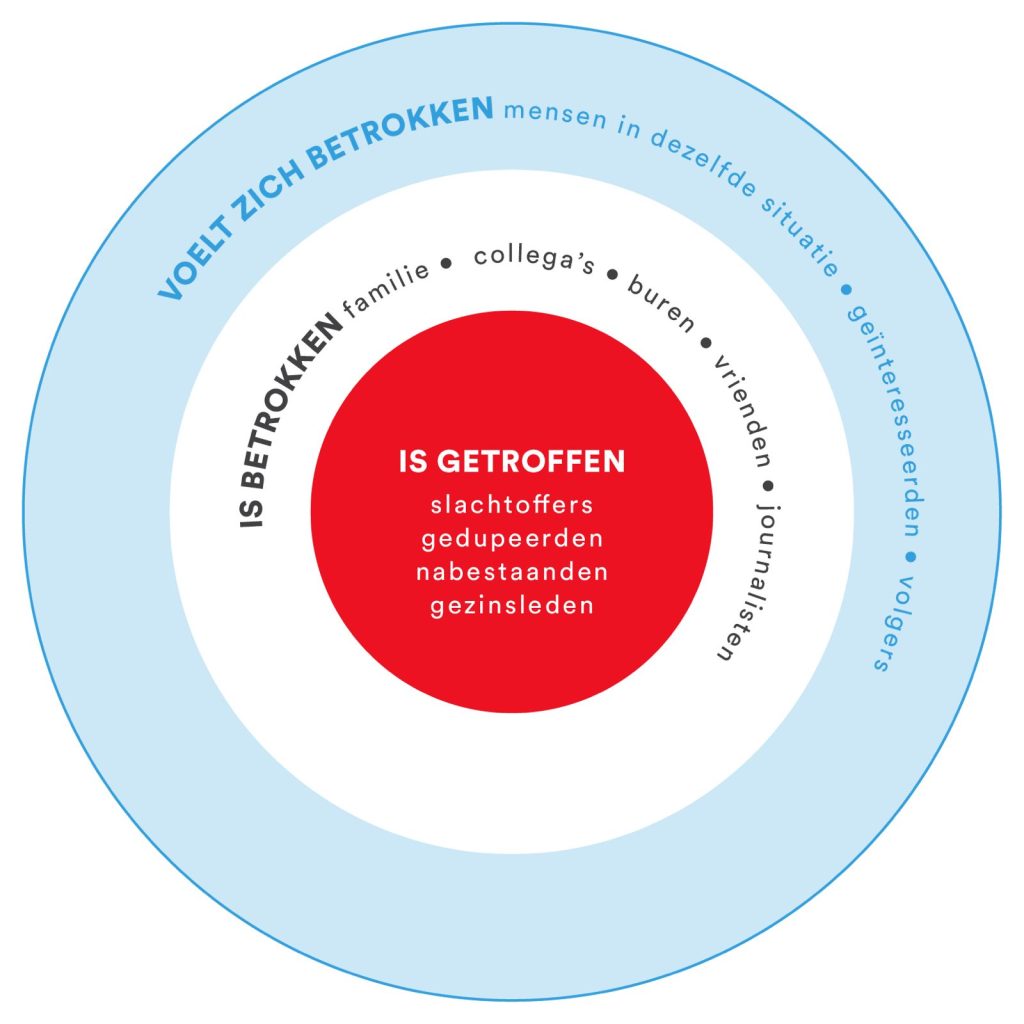
- People First – Start with those who are most affected. Their emotions and needs guide every decision we make in our communications.
- Open, honest, transparent – Tell us what you know, what you don’t know yet, and what you’re doing about it.
- Analysis, Advice, Approach – A structured workflow: from public sentiment assessment and strategy to copy you can publish directly.
Crisis Communication 3.0 brings together 25 years of crisis management experience from leading experts in the Netherlands and abroad, as well as insightsfrom the public sector, healthcare, and the corporate world. Tom Compaijen named the method, further developed it, and underpinned the seven principles of effective crisis communication with insights from neuroscience. He then translated this method into AI.
Education, training, and practice work, but knowledge fades, teams change, and a crisis unfolds faster than people can keep up. That’s why we’ve built the method right into the software: crisis communication at an expert level, for every team, 24/7.
Tom Compaijen Founder of FirstRing · Owner of Compaijen C&C Author of Ready for Any Crisis: The 7 Principles of Effective Crisis Communication
Tom is one of the leading experts in crisis communication in the Netherlands. He has served on the crisis team during more than twenty real-life crises: from the COVID-19 crisis to terrorist threats, major fires, IT incidents, privacy breaches, transportation accidents, power outages, inappropriate behavior, and product recalls. Those experiences formed the basis for the crisis communication training sessions he has delivered to hundreds of communications advisors.
Crisis Communication 3.0 builds on the work of many Dutch and Belgian experts. Tom’s contributions are based on fifteen years of practical experience: with the Dutch national government, the City of Amsterdam, and the Amsterdam-Amstelland Regional Safety Authority, and subsequently as an independent consultant and trainer for more than a hundred organizations. He continually incorporates lessons learned from real crises and exercises into the methodology.
The scientific foundation of the method stems from Tom’s background in neuroscience and psychology-dealing with emotions; how people process information under pressure -as well as from the public administration side of crisis management (crisis and security management). In addition, he drew on international conferences, working visits to crisis organizations in the United States, professional literature, collaboration with fellow trainers, his experience as a reserve officer in the Ministry of Defense, and best practices from high-performing teams at Agile and Google.